Why Bears?
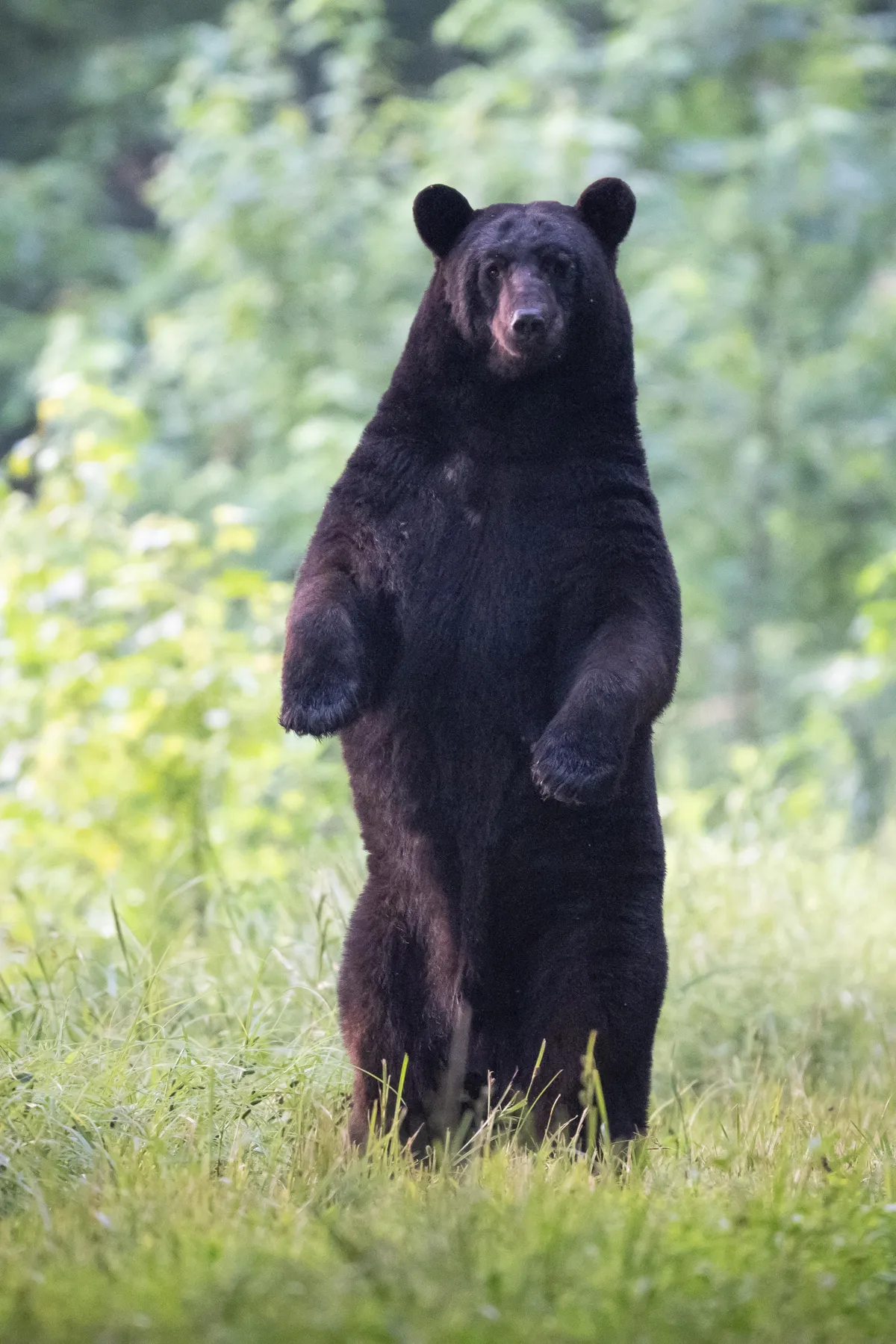
"Why Bears?" Everybody has been asking me lately, and not without reason. I've been talking about these burly omnivores incessantly, spouting facts about their feeding habits, life cycles, and social activity. I've paid dubious amounts for bear figurines, posters, and carvings, and I've built a trio of miniature bears from Legos. I've even started buying artisan honey and eating it straight. So what gives? Why the bear obsession?
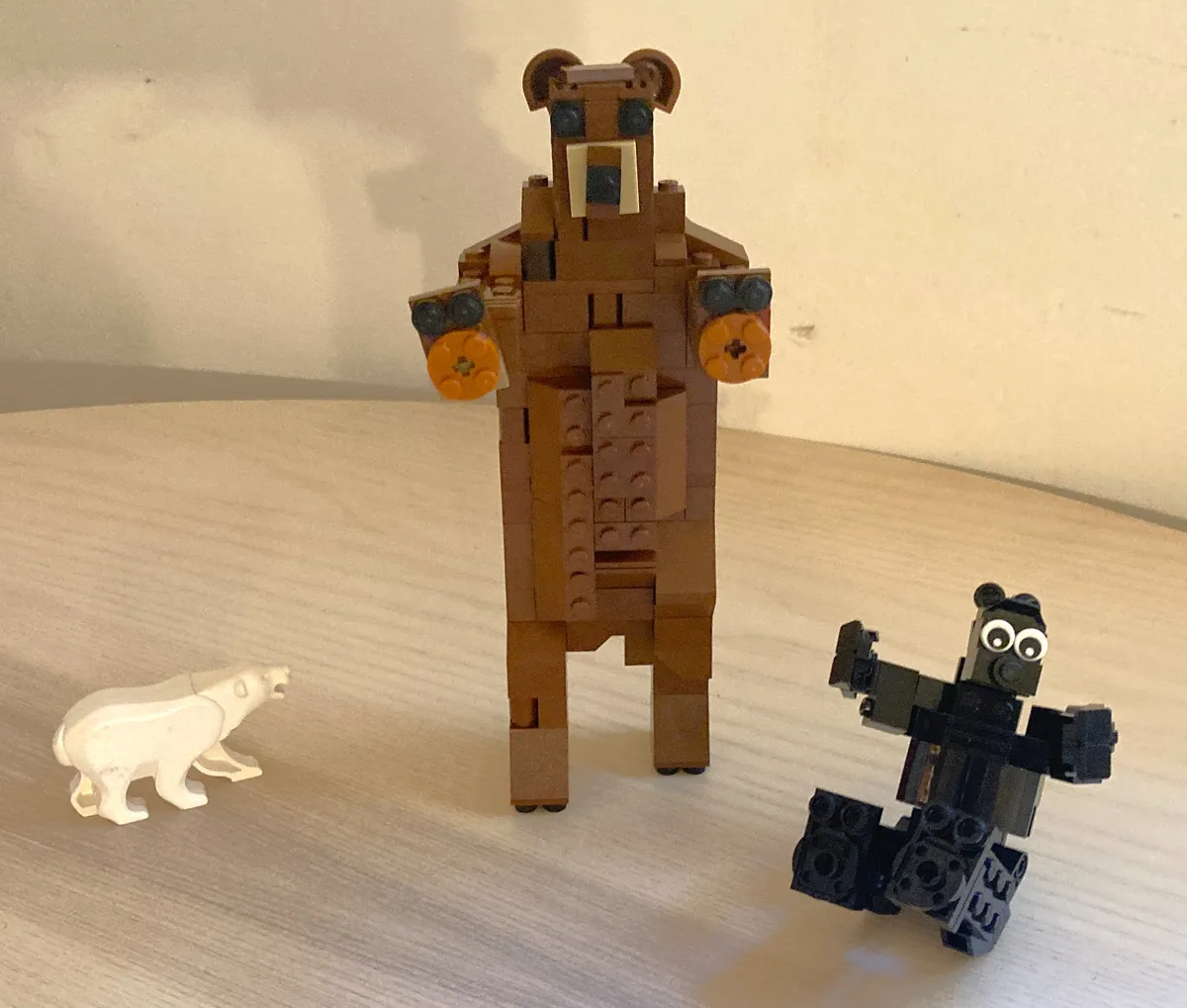
Things got serious about a month ago, in mid June. Around this time I was processing a mix of experiences, including social exhaustion from my summer fundraising work, perpetual hunger from an increased volume of runs and hikes, and an identity crisis as I shed four steady years of the "college student" persona. I found I could connect with the shyness of bears, their voracious appetites, and their self-assured personalities. So, I did what anyone else would do: I declared bears would be my theme for the coming year.
Of course, the story starts even further back. In early March, I read a novel called Skywalker about an Appalachian Trail thru-hiker (meaning he hiked all 2,197.4 miles contiguously). Bill Walker has no relation to Luke or Anakin, but he garnered the spacey nickname due to his towering height. In recounting his months-long hike, Bill shares his deep-seated fear of bears and one story about his own face-to-face encounter with a black bear in Shenandoah National Park. The book inspired me to go on more long-distance hikes, and it sparked a curiosity to see one of these rugged creatures for myself.
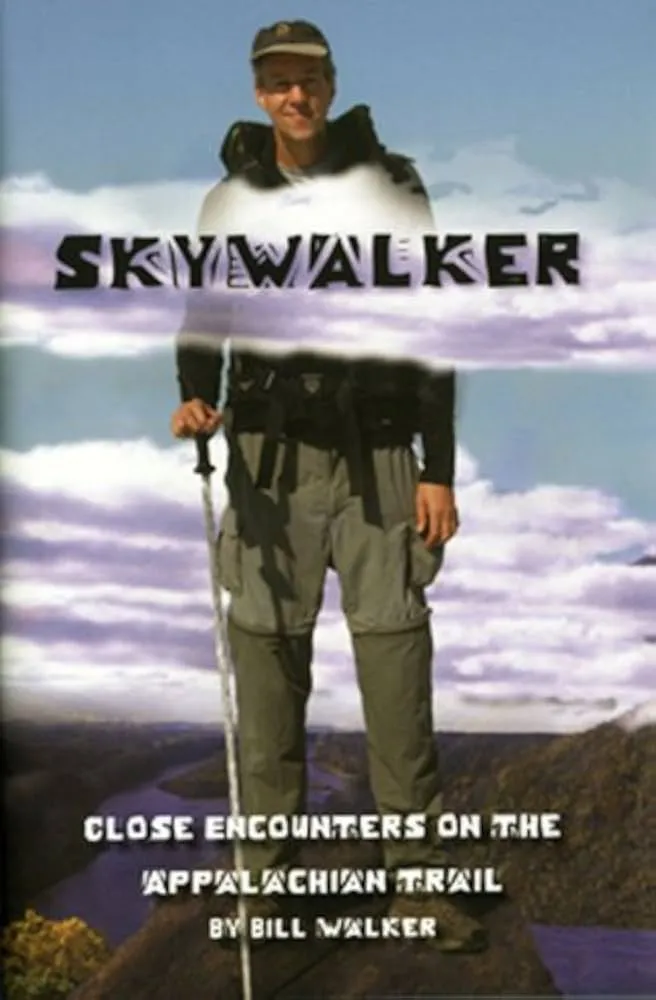
It's unfair! Growing up in the mountains of Southwest Virginia, countless friends have told me their stories of encountering bears on hikes, runs, and ATV rides. But I myself never got to see one in the wild before heading to college. This bear envy grew upon reading Skywalker, and as I began hiking more in Shenandoah, I started calling my trips "bear hunting" in jest.
On a lovely day hike near Sugar Hollow Reservoir last August, I did see a bear dash across the trail ahead of me. And on a bike ride this May, I spotted one digging around the trash outside a country home. But still no face-to-face encounters… yet!
My interest isn't for the thrill of the hunt, or some kind of academic study. This is more about identity and belonging. Bears seem to symbolize something of home – small town life, mountains, deer and forests and creeks – a home I've been rediscovering since leaving for college. My friends from Northern Virginia and Virginia Beach just can't relate to this ecology the way I can. As I'm building a new identity post-graduation, I've decided I'm proud of my Appalachian roots.
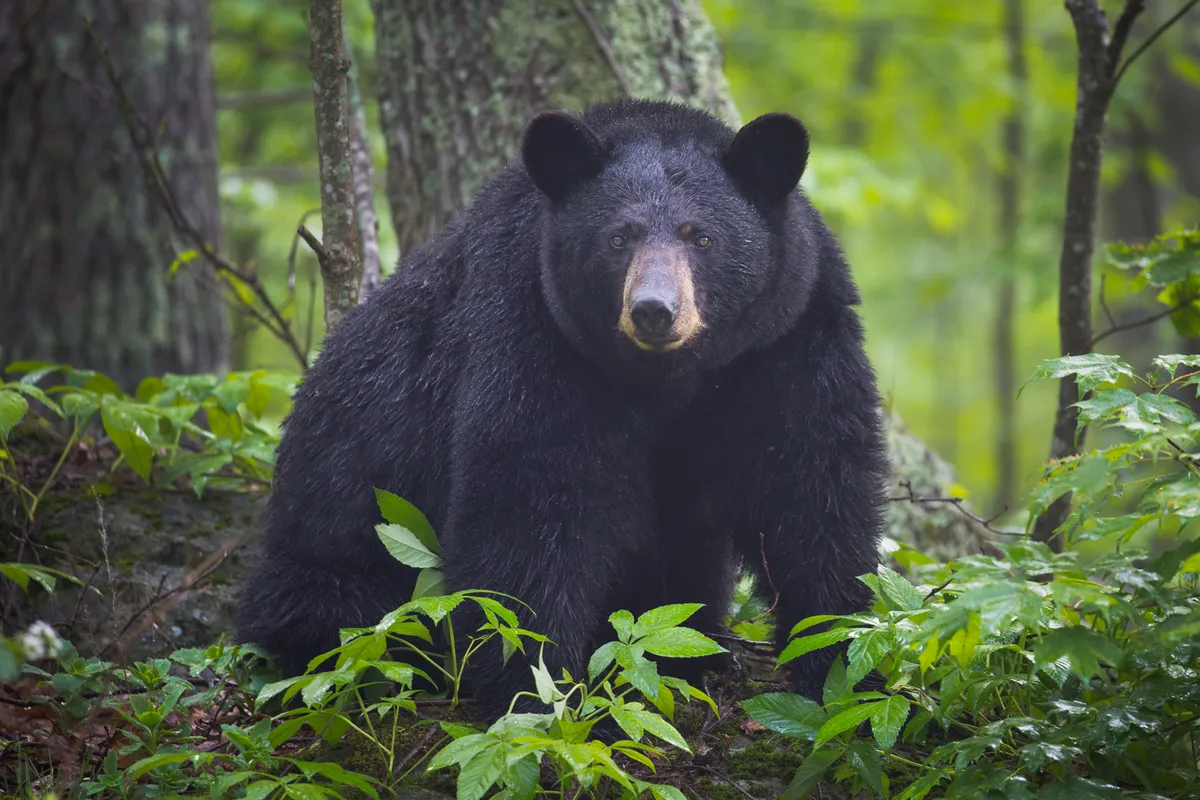
And let's face it: bears are just plain cool. They eat honey, and fish, and berries (and basically everything) voraciously and pack on considerable layers of fat, yet they can still sprint at the speed of horses. They hibernate for months in hollow tree trunks by metabolizing their urine to proteins. Their navigational abilities are extraordinary: they maintain detailed mental maps spanning thousands of acres to recall locations of food and shelter, including the times of year certain fruits will be ripe. And their homing instincts allow them to return to their territory even after being captured and released hundreds of miles away. Black bears are excellent climbers, remain incredibly solitary except when congregating around food sources, and are know to charge headlong at humans only to stop just short (called a "bluff charge.") Just look at images of them: so rugged and proud, so bulky and powerful. There's a keen awareness in their eyes.
Bears are revered in almost all Indigenous American traditions and feature prominently in rituals for many tribes. They're widely considered symbols of strength and wisdom, and are even viewed by some as cousins to humans. And there are countless Indigenous stories about bears, from "Muin, the Child Adopted by a Bear" (Mi'kmaw) to "The Hunting of the Great Bear" (Iroquois), to "How Bear Lost his Tail" (Ojibwe).
The Disney film Brother Bear is not based on any Native stories, but the depiction of Inuit culture is fairly accurate, and the animations of the bears and landscapes were based on extensive observation. More importantly, this movie did make me weep like a baby. 12/10 recommend. From fatal mistakes and forgiveness, to family feuds and brotherly affection, to a Phil Collins original soundtrack (?!) … it's a must see! And of course, watching this last week only added fuel to my bear-mania fire.
So what's next in my year of the bear? Maybe I'll stream a few more YouTube bear documentaries, buy the life-sized stuffed bear of my dreams, or read the coming-of-age novel The Year of the Bear by Douglas J. Lanzo. I plan to carry a photograph of a bear with me to work on Fridays to inspire myself with its example of resilience and endurance. There are probably some delectable bear claws in the months ahead, and lots of honey (ooh – I could start a collection of those plastic bear bottles!) My birthday will probably involve some special bear celebrations, since most bears, like me, are born in January. Who knows! One thing is for certain: this blogging site – "Bear Blog" – is the perfect place to share the "bear" essentials of every ursine adventure I find myself caught in.
7 Bear Fun Facts to Absurdly Employ as Aphorisms
- "Bears are highly opportunistic feeders" (for spontaneity)
- "Bears have incredible navigational abilities" (for driving)
- "Bears are highly individualistic" (for singleness)
- "Black bears weigh up to 660 pounds" (for contentment)
- "Bears have a remarkable sense of smell" (for premonition)
- "Bears hibernate by metabolizing their urine" (for cleansing)
- "Bears eat bears" (for humility)
5 Sources for Further Contemplation
- Skywalker, a novel by hiker Bill Walker (2011)
- "Bear Navigation," an article by wildlife biologist Lynn L. Rogers (1993)
- "Inuit Myth in the Film Brother Bear," a paper by Oglethorpe Undergraduate Tali Schroeder (2012)
- Bear Essentials, 2015 bear wildlife documentary
- "The Bear Manifesto," Bear Blog's mission statement, by founder Herman Martinus (2025)